The Cup Crump Never Saw: A Century of the Crump Cup at Pine Valley
From George V. Rotan's inaugural 70 to the match-play field of 2026, the invitation-only memorial has become amateur golf's most private proving ground.
By The Historians Archive
September 18, 2026 · 9:10 PM ET
10 min read
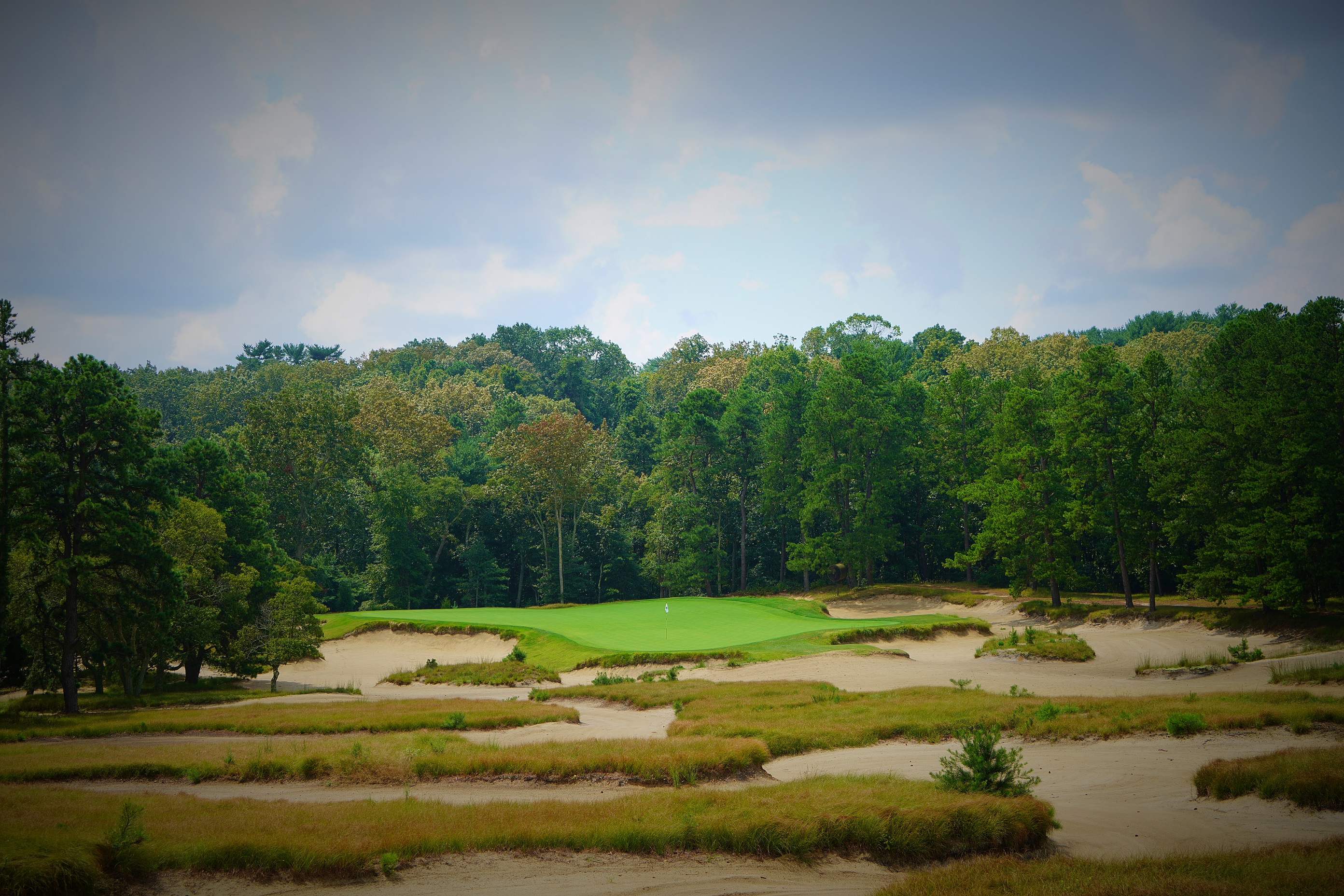
Friday evening at Pine Valley is a hinge between two kinds of golf. The arithmetic of qualifying is finished; the private drama of match play is about to begin. At the head of the 2026 field sits Gregor Orlando of Haverford, Pennsylvania, whose rounds of 73 and 70 made him medalist at 143. Bobby Massa follows at 145 after the only sub-par round of the first two days, a 69. On Saturday morning the scorecards give way to opponents, and by Sunday afternoon one name will be added to a trophy first contested more than a century ago.
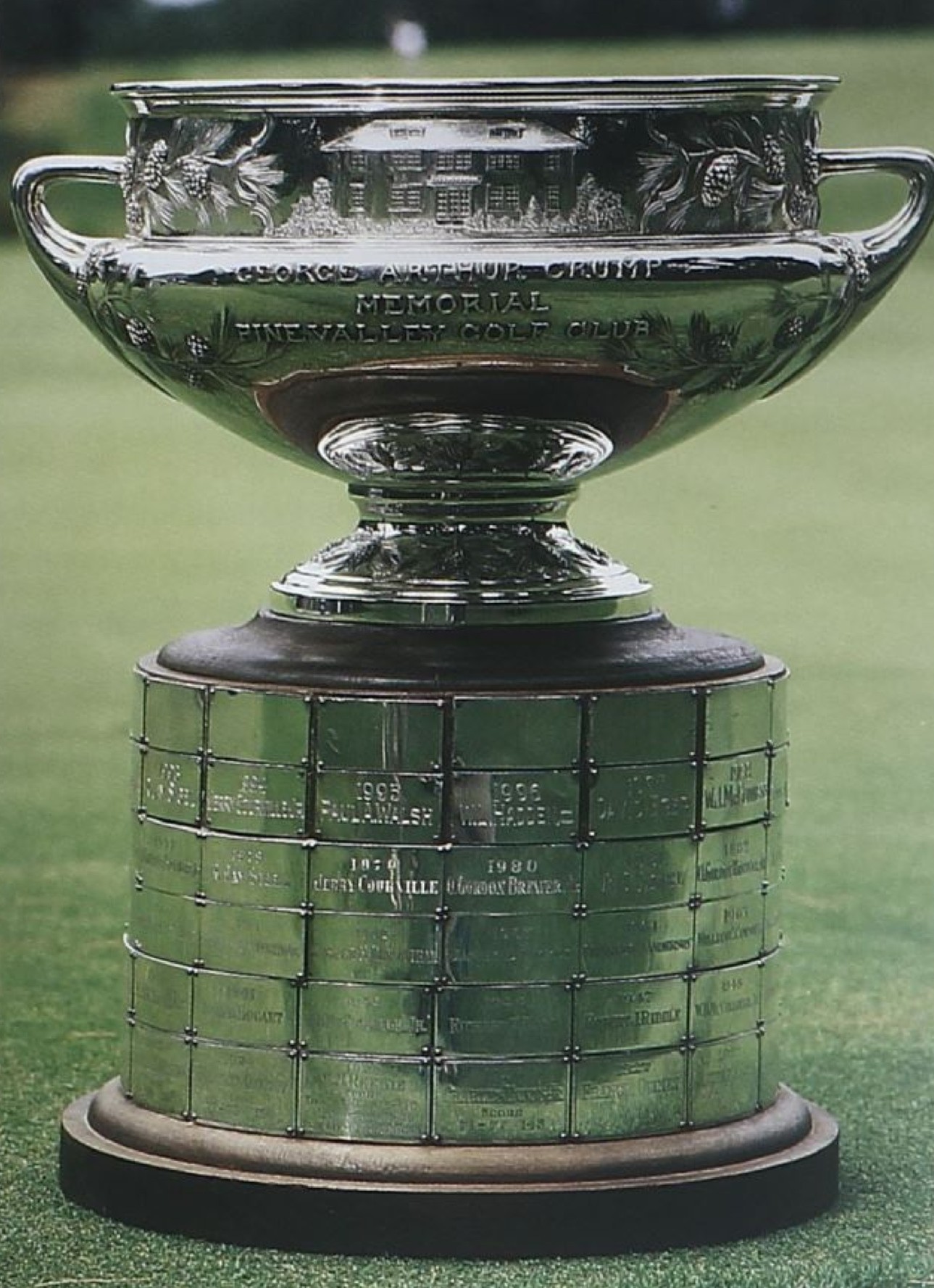
That trophy is the George A. Crump Memorial Cup. The competition is invitation-only, conducted on a course that asks for every club and forgives almost nothing, and built around customs that have resisted the modern tournament business. To win it is to join Francis Ouimet, Chick Evans, William Hyndman, Billy Joe Patton, Jay Sigel, O. Gordon Brewer Jr., Mike McCoy and the best American mid-amateurs of their generations. To understand why the invitation still matters, however, the story has to begin with the man who never saw the event played.
The memorial before the tournament
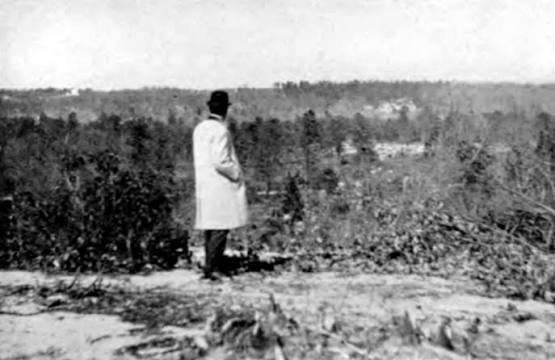
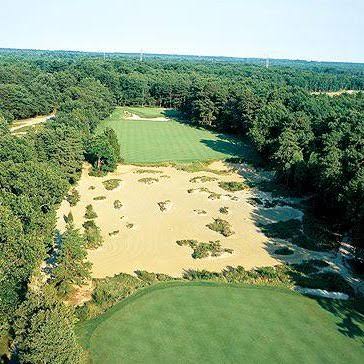
George Arthur Crump was a Philadelphia hotelier and an accomplished amateur golfer, not an established golf architect, when he began pursuing an uncompromising idea in the New Jersey Pine Barrens. He wanted a course on which no hole ran parallel to the next, no more than two consecutive holes traveled in the same direction, each hole felt separate from every other, and a complete round demanded every club in the bag.
Beginning in 1913, Crump lived close to the work and spent heavily to turn sand, scrub, swamp and pine into Pine Valley. Harry Colt supplied a routing that Crump adapted. A.W. Tillinghast, George Thomas, Hugh and Alan Wilson, Walter Travis and, after Crump's death, William Flynn all contributed in varying ways. Crump died on January 24, 1918, at 46, with the twelfth through fifteenth holes unfinished. His friends and successors completed the course, trying to preserve the intentions he had discussed with them.
The club's annual memorial became the most durable way to keep his name attached not simply to the property, but to the exact kind of golf he valued: serious amateur competition, played without compromise.
1922: Rotan and the first Cup
The first George Arthur Crump Memorial Cup was played in the fall of 1922. The archive's Pine Valley competition history records that George V. Rotan of Texas won the inaugural playing and shot an even-par 70 while the tournament was still a stroke-play event. That 70 became Pine Valley's amateur course record and stood for thirty-nine years.
The early honor roll immediately gave the new memorial national stature. Max Marston won in 1923, when the competition was a single-day, 36-hole medal test; his two rounds of 80 were twenty over par and still enough to win. Francis Ouimet won in 1924 and again in 1927. Charles “Chick” Evans Jr. won in 1926. These were not ceremonial visitors: Ouimet and Evans were foundational figures of American amateur golf, and Pine Valley was asking them to survive a young course that was still settling into its identity.
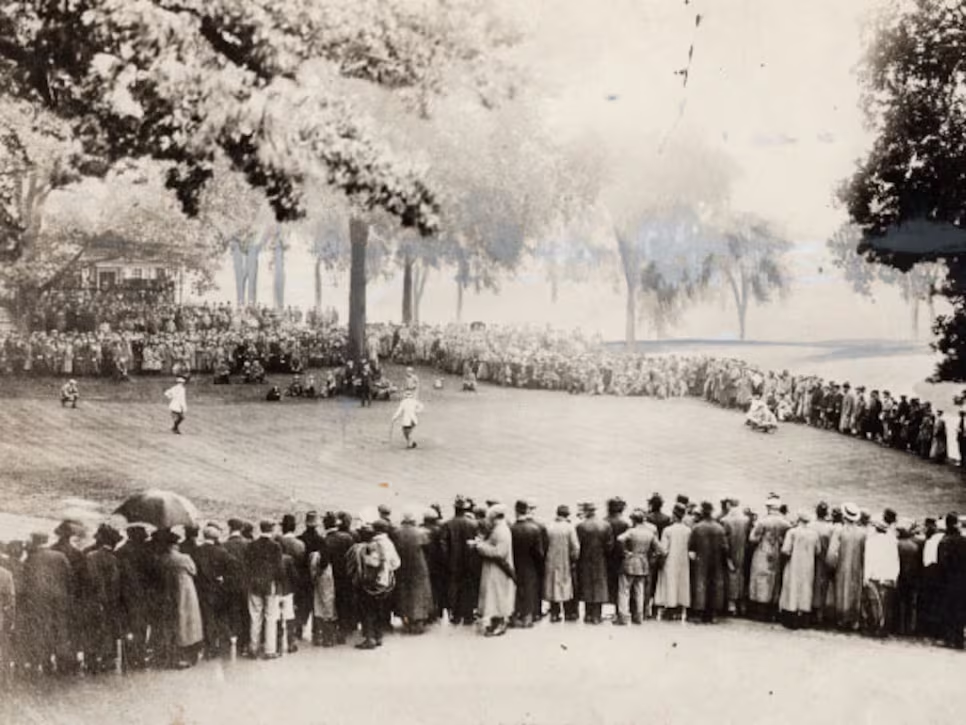
The winners who followed reveal how the Cup moved between national stars and the strongest figures in Philadelphia golf. W.B. “Duff” McCullough Jr. won seven times between 1933 and 1960. Max Marston added victories in 1937 and 1940 to his 1923 title. Robert J. Riddle won three times in seven years; William Hyndman III won four between 1952 and 1969; George Rowbotham won in 1956, 1961 and 1962. The archive's winners roll contains no entries for 1942 through 1944, a wartime gap that should be described as an interruption in the record rather than assigned a cause the surviving list does not state.
From medal play to the match-play crucible
The tournament evolved from straight stroke play into the form that defines it now: qualifying determines flights, and match play determines the champion. That difference is essential. Pine Valley can reward an extraordinary round without allowing it to decide the Cup.
No example is better than Robert Lewis Jr. in 1981. In qualifying he made seven birdies, ten pars and one bogey — a three-putt at the thirteenth — for a course-record 64. The archive's caddie recollection remembers Lewis overriding a suggestion to hit four-iron into the thirteenth, sending a charged five-iron long and right, then three-putting. Even with that single blemish he produced a round the club historian thought might never be matched. Then Lewis lost his first championship-flight match. He won the consolation flight, but not the Crump Cup. At Pine Valley, the greatest card of the week can still become only the prologue.
Today the Open field plays two rounds of qualifying, with the low 48 advancing into three flights of sixteen; only the top flight plays for the Crump Cup itself. The separate senior field is also flighted after qualifying. Saturday brings two rounds of match play, and Sunday the semifinals and finals. The structure lets more invited players continue while keeping the championship brutally narrow: sixteen players, four matches, one Cup.
The invitation and the code
There is no public entry form and no qualifier that guarantees a place. Pine Valley invites the field, drawing leading mid-amateurs, seniors, USGA champions and Walker Cup players from the national circuit. The invitation recognizes golf, but it also carries an expectation of conduct. The event is walked, caddies are required, and behavior toward opponents, partners and caddies matters. The Cup's reputation rests partly on the possibility that an invitation will not return.
Players stay close to the course, in rooms and houses on the property and in the old dormitories between the fourth and fifth holes. The Friday dinner formalizes the transition from qualifying to match play. The Championship Flight sits at the head table, with hole flags corresponding to seeds. The medalist receives the first-hole flag; the sixteenth seed receives the sixteenth. Opponents sit together before trying to eliminate one another the next morning.
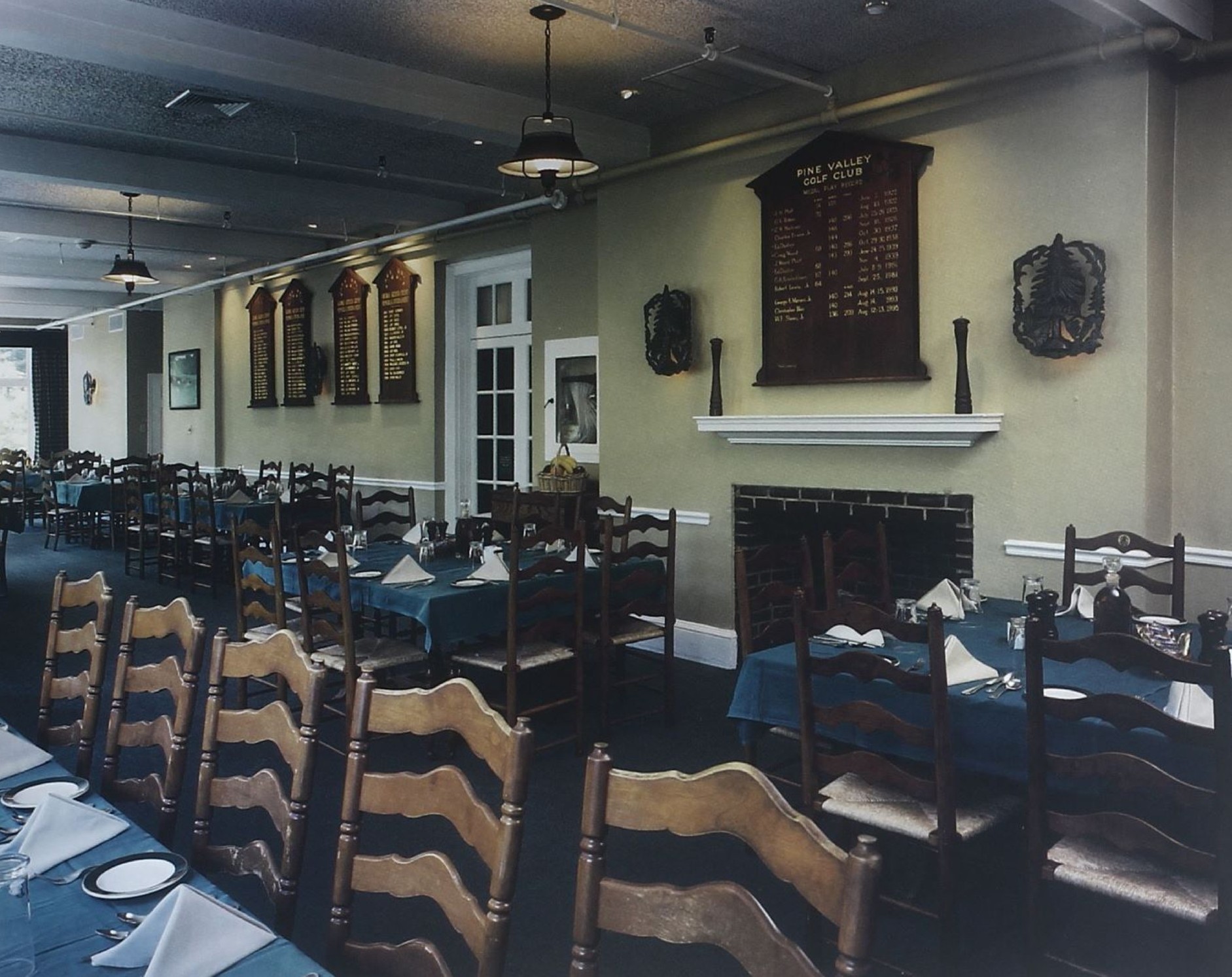
That mix of severity and fellowship is the Cup's center. The course isolates players on individual holes, while the tournament draws them together at dinner, in the dorms and on foot. There are no carts to shorten the walk and no television production to make the competition perform for an audience. The invitation is valuable because the experience has remained difficult to acquire and difficult to duplicate.
Sigel, Brewer and the age of the great repeat champion
Jay Sigel made Pine Valley his most emphatic stage. He won nine Crump Cups between 1975 and 1993, a record that spans nearly two decades and sits alongside his two U.S. Amateurs, three U.S. Mid-Amateurs, British Amateur title and Walker Cup career. The achievement is larger than nine good weeks: it required repeated invitations, repeated qualification and repeated match-play survival on a course designed to expose one loose swing.
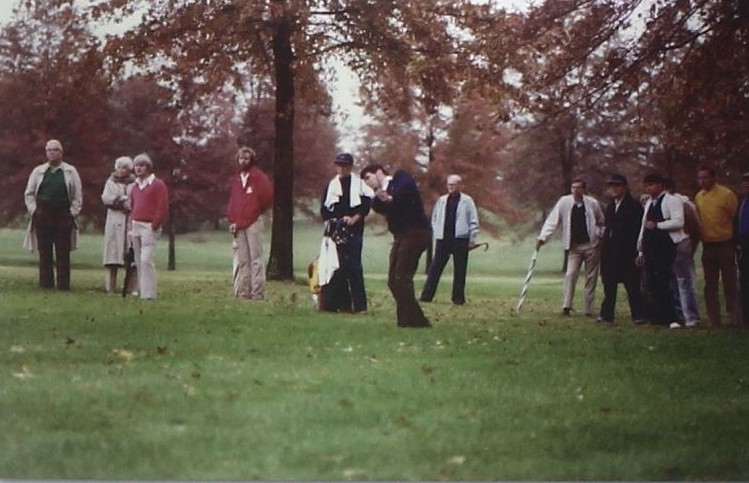
O. Gordon Brewer Jr. won five times between 1973 and 1989. The archive later places him away at the U.S. Senior Amateur during the 1994 Crump Cup — where, at 57, he won that national championship. Jerry Courville Jr. won the 1994 Cup in a playoff over Tom Yellin after escaping the eighteenth-hole bunker and making par, then winning on the first extra hole. The archive records Courville's father as the 1979 champion, making their victories a rare father-son thread through the honor roll.
In the modern era Mike McCoy won four Open titles from 2004 through 2010. More recent champions include Stewart Hagestad in 2023, Andrew Price in 2024 and Bobby Wyatt in the 100th playing in 2025. The names change; the route to the title does not become easier.
Crump Day and the view from outside the gate
For generations the final Sunday supplied one of American golf's strangest public traditions. Pine Valley — private, fenced and famously difficult to see — opened for “Crump Day.” Local galleries parked away from the club and rode buses to the property. There were no gallery ropes in the familiar tournament sense, and spectators could walk close enough to understand the scale, angles and isolation of the holes.
The local history in the archive ties the September occasion to Crump's birth month and describes it as the one day each year the gates opened to the public. For many golfers, the final was less an event to watch than the only available passport into the landscape. That tradition was suspended after the pandemic. Pine Valley's 2026 notice again says the club will not open to the public for Sunday's final.
The 101st playing
The current tournament, played September 17–20, 2026, is the 101st Crump Cup. Thursday belonged to Jonathan Bale, whose one-over 71 led the 78-player Open field after a day on which nobody broke par. Friday rearranged everything. Gregor Orlando followed an opening 73 with an even-par 70 to earn medalist honors at 143. Bobby Massa answered a 76 with the week's only sub-par round, a 69, to take the second seed at 145. Will Davenport and Chris Wheeler finished at 146.
Forty-eight Open players advanced to match play. Orlando's first Championship Flight match is against Andrew Bailey, the sixteenth seed at 150. Stewart Hagestad, the 2023 champion, meets Chad Wilfong after both qualified at 148. Andrew Price, the 2024 champion, qualified eleventh at 149 and opens against Ryan Greer. Defending champion Bobby Wyatt, who came from the qualifying line to win in 2025, opened this week with 77 and did not return to the Championship Flight.
The Senior Championship Flight has its own weight. Jamie Slonis, the 2024 senior champion, earned medalist honors at 147. Five-time Open champion Michael McCoy is the second seed at 148. Defending senior champion Bob Royak is also through, as are past champions and familiar Pine Valley names whose experience changes the meaning of a difficult draw.
The numbers explain the course better than an adjective can. Across two days, one player broke par. The medalist finished three over. Players with national championships and Walker Cup experience crowded the line around 148, 149 and 150. Hell's Half Acre, the long fifteenth, the small and exacting greens, and the forced decisions Crump built into the routing did not need a contrived setup to identify the field.
Why the Cup endures
The Crump Cup has survived because it remains proportionate to its subject. George Crump tried to build a course that made every shot matter. The memorial tournament asks its invitees to prove that proposition first against the scorecard and then against one another. Stroke play finds the sixteen; match play reveals who can keep solving Pine Valley after the score no longer carries forward.
Rotan's 70, Marston's pair of 80s, Ouimet's two victories, McCullough's seven, Lewis's 64 without the Cup, Sigel's nine, Brewer's five and the modern line from Hagestad to Price to Wyatt are chapters in one continuing argument: that elite amateur golf still needs places where reputation cannot hit the next shot.
This weekend another name will reach the bottom of the championship board. The winner will have survived two days of Pine Valley before winning four matches, and will receive a cup named for a man who died before the course was complete. That is the invitation's real meaning. A player is not merely asked to enter Pine Valley. He is asked, for four days, to carry George Crump's unfinished idea forward.
Originally published
Read this piece on Club Docket →